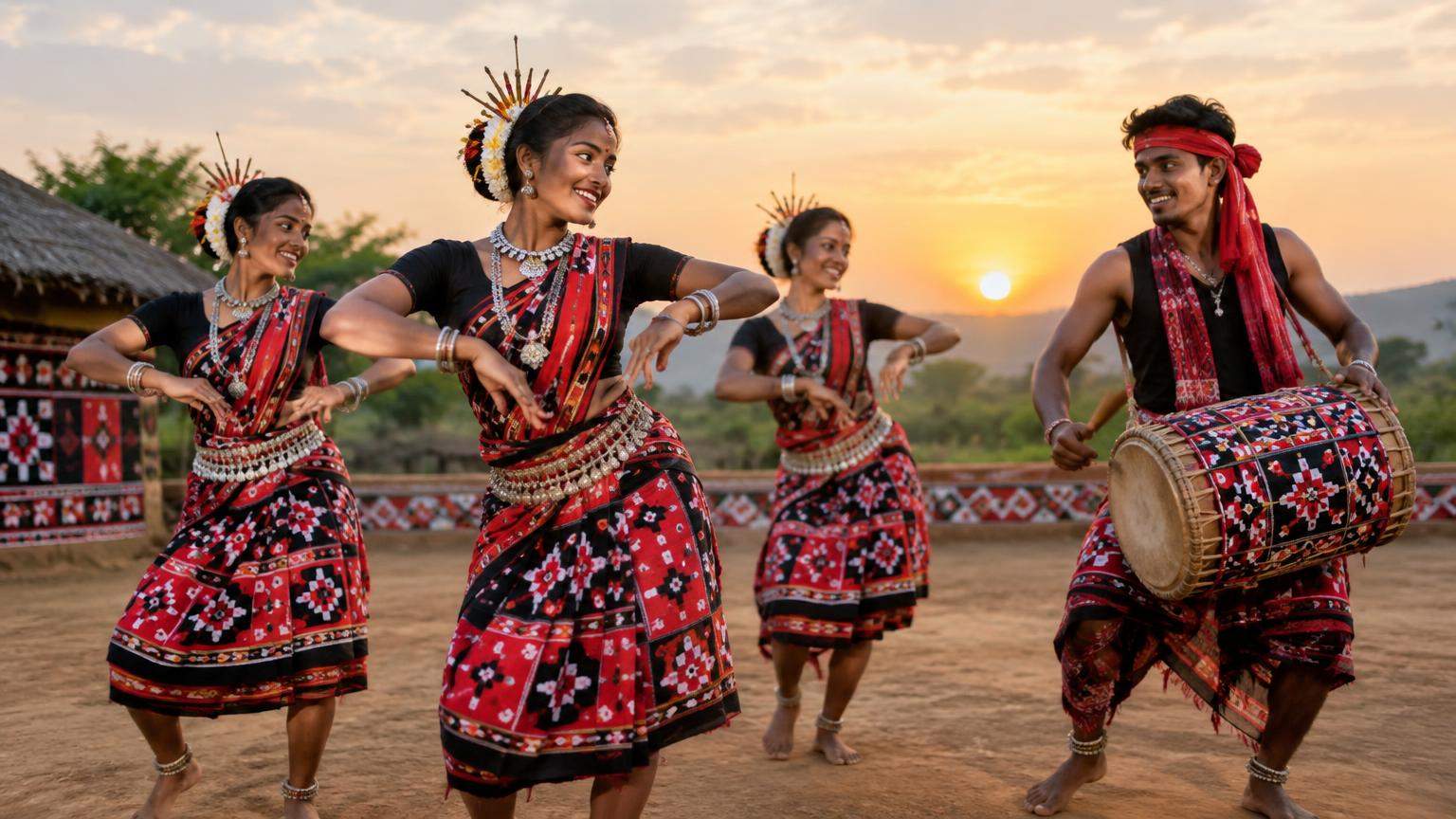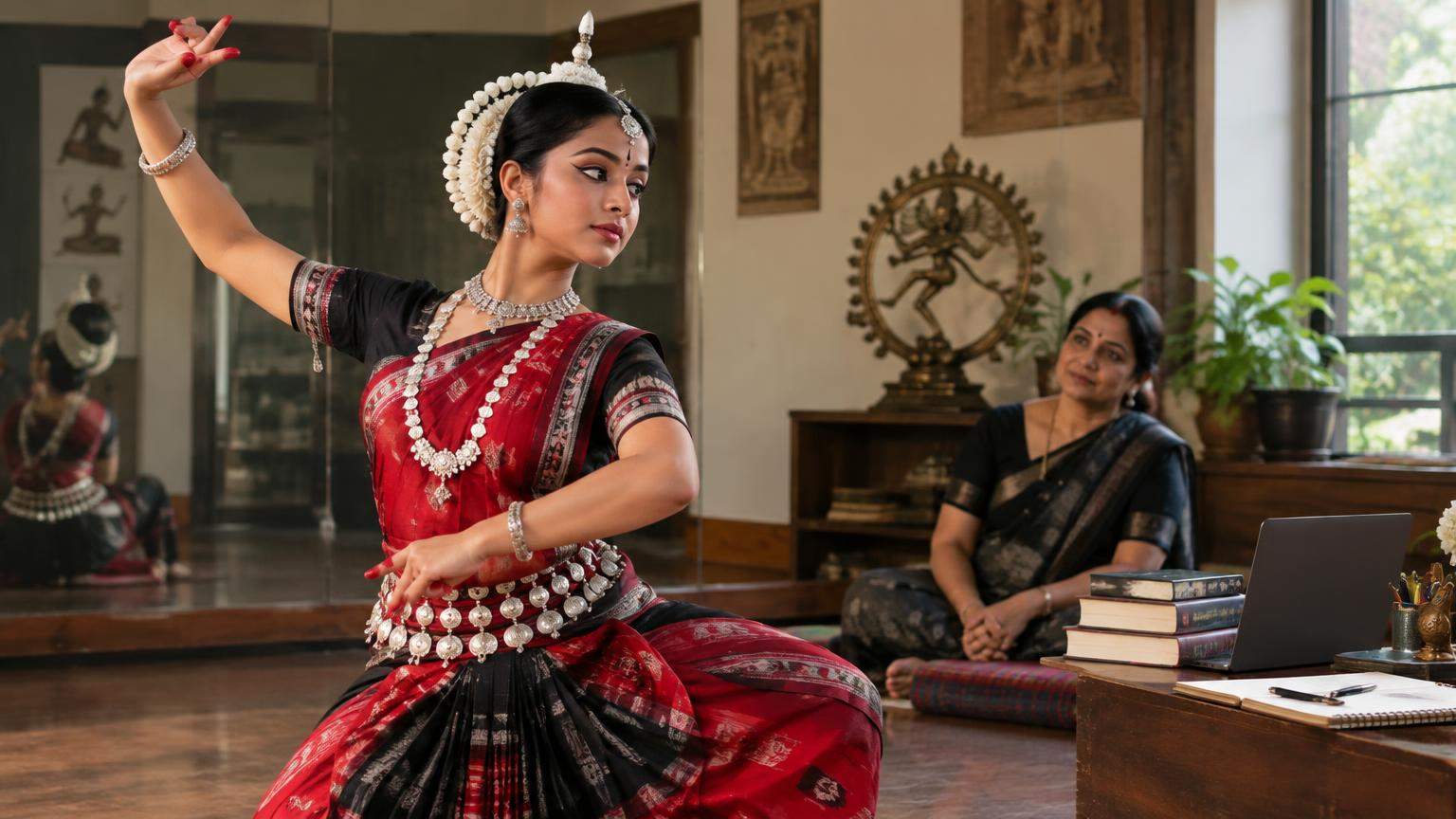

If you are seriously thinking about an Odissi dance career in India—either full‑time or alongside studies or a job—you need clear information on money, time and skills, not romantic myths. This guide pulls together what current Odissi exponents, institutions and practitioners’ discussions suggest about how careers actually work in 2026, so you can plan with open eyes rather than guesswork.
What an Odissi Career Actually Looks Like in 2026
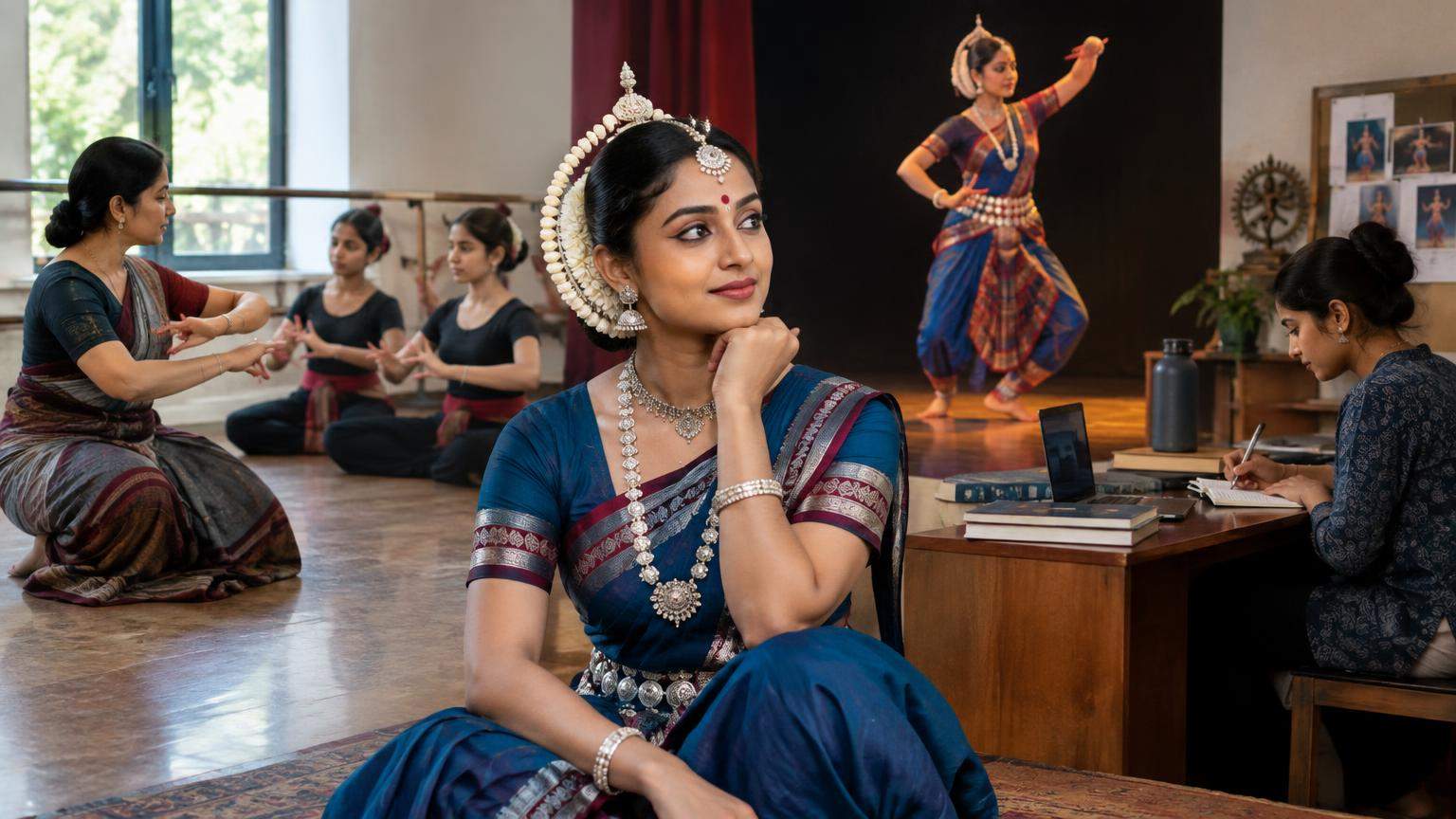
Odissi today is sustained by artists who wear many hats at once. Very few people survive only on solo performances; most combine teaching, choreography, institutional work and occasional touring.
Leading gurus illustrate this multi‑stream reality. Guru Durga Charan Ranbir is described as a maestro, choreographer, teacher, researcher and cultural ambassador, and he built the institution Nrutyayan to train students in India and abroad. [1] Similarly, Leena Mohanty is presented as a celebrated performer and choreographer who also runs her own Odissi institution to train children and adults. [2]
At the same time, many younger or mid‑career dancers on practitioner forums describe classical dance as a passion that often co‑exists with another job or course of study, especially in the early years when income is unpredictable. [5]
You can think of three broad career patterns:
| Path | What it looks like day‑to‑day | Financial reality (typical, not guaranteed) | Who it suits |
|---|---|---|---|
| Full‑time Odissi professional | Runs a dance school or institution; teaches several batches a week; prepares students for exams and shows; rehearses for festivals; travels for performances and workshops; handles admin, grant applications and collaborations. | Teaching is usually the financial backbone; performance and festival honoraria add visibility and some income but are less predictable. Building this level typically takes a decade or more of serious training plus reputation. | Dancers fully committed to Odissi as their main life work, willing to accept income fluctuation and long hours. |
| Hybrid / portfolio career | Teaches a few regular classes (offline or online); performs at select events; may work or study in another field (academics, corporate job, arts management, etc.). | Non‑dance work provides stability; dance income grows slowly through teaching, workshops and content. Many dancers stay in this mode for several years. | Students and young professionals who want serious engagement with Odissi without depending on it for 100% of their income. |
| Part‑time / parallel practitioner | Continues regular classes with a guru; performs mainly in group pieces; may teach a few juniors or choreograph for college events. | Dance income is usually modest pocket money; main livelihood is from another career. | Those who want Odissi as a lifelong practice and identity, while prioritising a different profession. |
None of these paths is “better” in an absolute sense. The key is to be honest about:
- How much financial risk you (and your family) can comfortably take.
- How deeply you are ready to commit to daily riyaaz, travel, and administrative work.
Training Timeline: From First Class to Solo Stage
Every student progresses differently, but biographies of established Odissi artists show how long serious training usually takes.
Baisali Mohanty, for example, is documented as having trained under Guru Gangadhar Pradhan for over a decade before emerging as a recognised performer and choreographer. [8] Senior exponents such as Aruna Mohanty trained for many years under multiple gurus before becoming leading performers, choreographers and researchers. [7] Disciples of Durga Charan Ranbir, like Rahul Acharya, often began very young and spent many years in rigorous, continuous training. [9]
From these trajectories, a realistic arc for a committed student might look like this (assuming 2–4 technique classes a week plus home practice):
Years 0–2: Foundation
- Learn basic postures (chauka, tribhangi) and alignment.
- Build strength and stamina for bent‑knee work.
- Learn basic adavus, simple choreographies and rhythm patterns.
- Perform, if at all, only in short group segments in school or small cultural events.
Your focus here is body conditioning and vocabulary, not stage glamour.
Years 3–5: Building Repertoire
- Expand into more complex nritta (pure dance) and abhinaya (expression) pieces.
- Learn foundational items of the Odissi margam (e.g., Mangalacharan, Batu, Pallavi), as your guru decides.
- Start performing complete items in group shows and small local festivals.
- Assist your guru informally—helping juniors, warming up groups, handling music.
If you are consistent and your guru finds you ready, somewhere in this window you might perform a short solo item in a student showcase or local event. There is no fixed year when this “must” happen.
Years 5–10: Towards Professionalism
- Deepen abhinaya skills, language understanding (Odia/Sanskrit), and musical sensitivity.
- Increase stage experience in longer group choreographies and small solos.
- Start travelling with your institution to festivals and out‑of‑town shows.
- Possibly begin teaching beginners or children under your guru’s supervision.
By now, you have put in several years of work. But biographies of exponents suggest that real authority in the form often comes after a decade or more of disciplined training and performance. [8]
10+ Years: Mature Artist Stage
At this point, artists who stay the course may:
- Present complete solo evenings.
- Choreograph new works.
- Establish their own classes or institutions.
- Receive invitations to major festivals, residencies and collaborations.
This does not mean you must wait 10 years to earn anything from Odissi. You might teach basic batches or assist with children’s classes earlier. But if you are thinking of Odissi as your central professional identity, you should treat it as a long‑distance journey rather than a quick certification.
Costs You Should Plan For
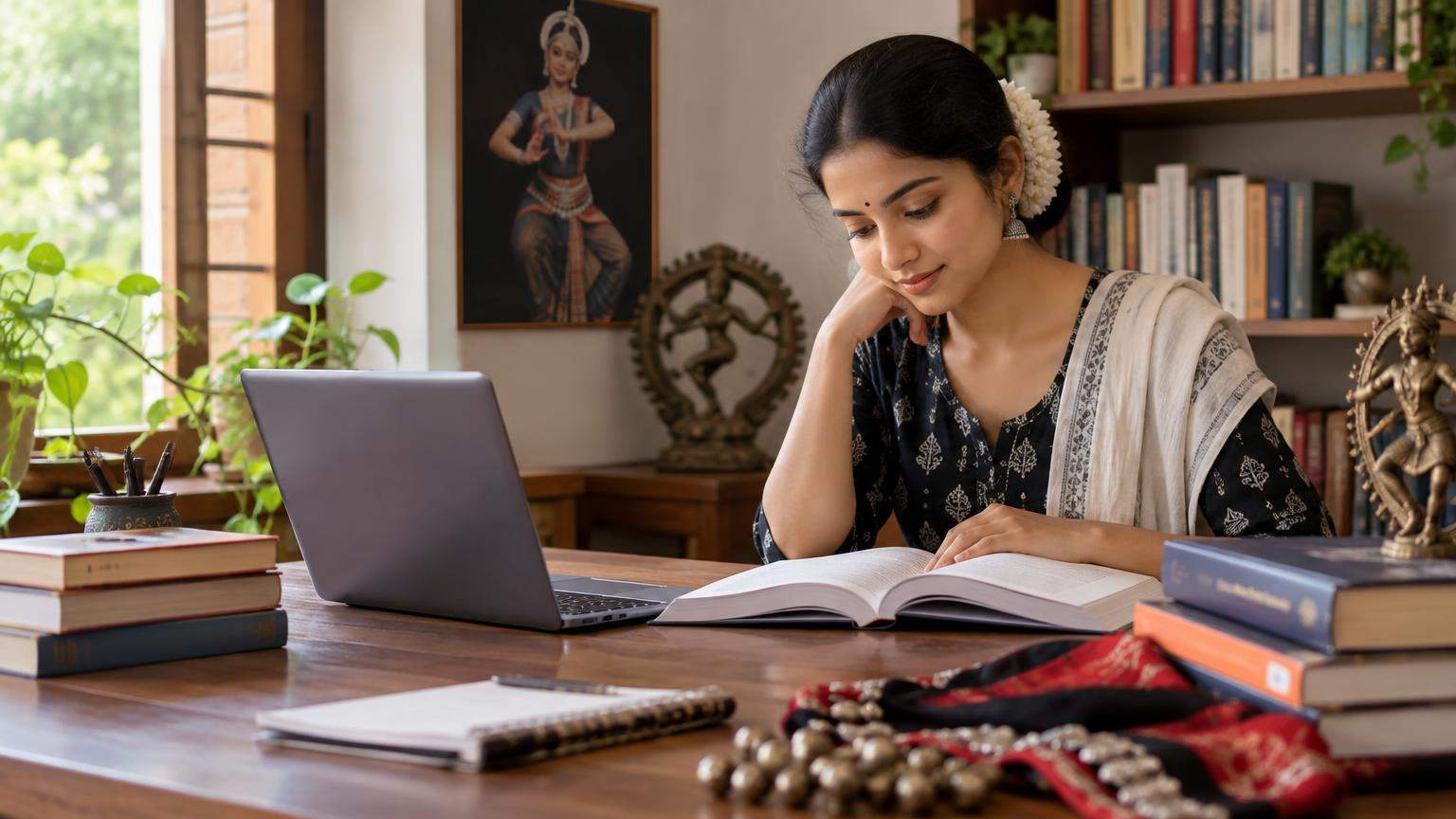
There is no single public tariff sheet for Odissi training, and fees vary enormously by city, guru and format. However, you can plan using illustrative 2026 urban India ranges. Treat these as rough planning figures, not official rates.
1. Regular Classes / Guru Dakshina
Models you may encounter:
- Fixed monthly fees for group classes in a studio or institution.
- Per‑class payments for small batches or private lessons.
- Traditional guru‑shishya setups where dakshina and support (helping with rehearsals, admin, etc.) are part of the relationship, rather than transparent fee lists. Institutions like Nrutyayan highlight intensive training but do not publicise commercial fee charts. [1]
In Tier‑1 cities in 2026, many classical dance classes (not only Odissi) fall somewhere in the low‑to‑mid four figures (₹) per month for group batches, with higher fees for 1:1 training. This is an example range, intended to help you think about budget; actual fees in your city or under your guru could be lower or significantly higher.
2. Workshops and Intensives
- Weekend or short intensives with visiting gurus.
- Theme‑based workshops (abhinaya focus, rhythm, choreography, etc.).
- Online workshops that attract national or international students.
Some practitioners advertise low‑ticket online workshops (for example, under ₹500) mainly as outreach or promotional tools, not serious income. [10] High‑quality, limited‑seat workshops with senior gurus will normally cost more.
3. Costumes and Jewellery
Professional Odissi performance requires investment in:
- Fitted costumes (often silk or specially woven fabrics) with proper pleats.
- Silver temple jewellery sets (headpiece, earrings, necklace, belt, bangles, anklets).
- Ghungroo (ankle bells), makeup and hair accessories.
These are capital expenses you may build up gradually. Practitioners frequently mention costumes and jewellery as major costs of classical dance, even though exact rupee numbers are rarely published.
4. Travel and Accommodation
As you grow, significant expenses may include:
- Inter‑city train or flight tickets for festivals, exams or workshops.
- Local transport to and from rehearsal spaces.
- Accommodation for out‑of‑town performances.
Senior artists’ event lists, such as Leena Mohanty’s performances across various Indian cities and abroad, give a sense of how travel‑heavy professional Odissi life can become. [2] Government festivals may cover some costs and offer an honorarium, but not always enough to fully compensate for preparation time.
5. Studio Rent and Overheads (If You Start a School)
If you open your own academy, your fixed monthly costs may include:
- Studio rent or hall booking.
- Electricity, cleaning, sound system and minor maintenance.
- Website, social media management, and sometimes staff support.
Many teachers in India manage by using community halls, school spaces or home studios to keep rent manageable. Nevertheless, it remains one of the biggest fixed costs in an Odissi business.
The key lesson: a serious Odissi career requires ongoing investment, especially in the first decade. When you plan, think not only about the money you might earn, but also about the money you will need to keep learning, performing and presenting yourself professionally.
How Odissi Dancers Actually Earn Money
Income in an Odissi dance career usually comes from multiple streams. Most established artists combine several of the following.
1. Teaching (Offline and Online)
Teaching is the most stable pillar for many professionals:
- Guru Durga Charan Ranbir built Nrutyayan into a respected Odissi institution with many disciples in India and abroad. [1]
- Leena Mohanty runs her own institution (often referred to as Bansi Bilash/Bansi Bilas) where she trains children and students in Odissi. [2]
In the 2020s, a growing number of Odissi teachers also offer online classes to Indian and international students, using video platforms and digital tools. [10] This allows them to reach learners far beyond their local city.
Revenue models include:
- Regular group batches (monthly fees).
- One‑to‑one or small‑group premium lessons.
- Short‑term beginner courses for adults.
- Children’s batches aligned with school timings.
If you are planning to earn through online teaching, read our guide to starting online Odia dance classes. It explains how to design lessons, choose teaching platforms, estimate costs and manage student enrolment.
2. Performances and Festival Circuits
Performance income is important but generally less predictable than teaching.
- Senior exponents are invited to government‑run festivals, temple festivals and cultural events in India and abroad. Leena Mohanty’s performance history, for example, includes major festivals and ICCR‑linked tours. [2][3]
- These events may pay honoraria and cover travel, but practitioner discussions consistently indicate that performance fees alone rarely provide stable middle‑class income, especially in the early and mid‑career stages. [5]
For many dancers, performances serve more as reputation‑building and artistic fulfilment, while teaching pays most monthly bills.
3. Workshops, Lecture‑Demonstrations and Residencies
Once you have a recognisable profile, you may be invited to conduct:
- Weekend or week‑long workshops hosted by local schools or community groups.
- Lecture‑demonstrations at colleges, cultural centres or festivals.
- Residencies or exchange programs with institutions in India or abroad.
These can bring in meaningful project‑based income, though they require reputation, networking and organisational skills.
4. Digital Content and Online Products
Digital tools are opening gradual new possibilities:
- Some dancers share educational or performance clips on social media and then funnel serious students into paid classes.
- Practitioners exploring platforms for classical dance academies note that online systems for bookings, subscriptions and course libraries could help monetise expertise more systematically. [10]
However, pure social media views rarely convert directly to high income for classical dancers. The more realistic model is to treat digital platforms as marketing and community‑building tools that support your teaching, workshops and brand.
Case Study Snapshots: How Established Artists Built Their Paths
These examples do not reveal anyone’s personal earnings, but they show structurally how long‑term Odissi careers tend to take shape.
Guru Durga Charan Ranbir: Institution‑Builder
- Trained under Guru Deba Prasad Das and completed the Nrutyacharya course at Utkal Sangeet Mahavidyalaya, Bhubaneswar. [6]
- Over more than four decades, he has worked as performer, choreographer, teacher and researcher, known for preserving and expanding the Deba Prasad gharana. [6][9]
- Founded the institution Nrutyayan in Bhubaneswar, which has grown from a small group to a widely respected Odissi academy with many disciples in India and abroad. [1]
His trajectory shows how a full‑time Odissi life often involves decades of rigorous training, sustained teaching and institution‑building rather than relying only on personal performances.
Leena Mohanty: Hybrid Education, Full‑Time Dance
- A direct disciple of Guru Deba Prasad Das, she continued her training under Guru Durga Charan Ranbir after her first guru’s passing. [4]
- She holds academic degrees in Physics and an MBA, reflecting a strong non‑arts education before choosing to focus on Odissi as her primary medium. [4]
- She runs her own institution (Bansi Bilash/Bansi Bilas), teaches extensively, and is empanelled with ICCR, performing at major festivals in India and abroad. [2][3]
Her path illustrates a hybrid model: deep formal education alongside intensive dance training, then a transition into full‑time dance work grounded in both performance and teaching.
Aruna Mohanty and Baisali Mohanty: Odissi with Research and Policy
- Aruna Mohanty trained under several major Odissi gurus and became not only a performer and choreographer but also a researcher and institutional leader, associated with Odisha Dance Academy. [7]
- Baisali Mohanty trained for over a decade under Guru Gangadhar Pradhan and is also known as a cultural‑diplomacy scholar, combining Odissi with academic and policy work. [8]
These examples show that you can remain deeply rooted in Odissi while also building strong identities in research, policy, or academia.
Balancing Art and Money: Avoiding Exploitation
Discussions among classical dancers often highlight hard truths:
- Many early gigs offer low or no pay in the name of “exposure”.
- Some festivals expect dancers to cover travel or costume costs while offering small honoraria.
- Only a small minority make a comfortable living from performances alone; most rely on teaching or another job. [5]
To protect yourself:
1. Treat Teaching as Your Base
- Aim for a stable core of regular students, even if the group is small.
- Use performances to enhance your credibility and attract learners, not as your only hoped‑for source of income.
2. Be Clear About Payment Terms
Before confirming a show or workshop:
- Ask directly about honorarium, travel, accommodation and recording rights.
- Get details in writing (even a simple email) to avoid last‑minute surprises.
- Decide when you are willing to perform free of charge (for example, for your own guru or a cause you care about) and when you are not.
3. Build Parallel Skills
Skills that often help Odissi professionals stabilise income include:
- Language teaching, yoga or fitness training.
- Arts administration, grant writing or event management.
- Content production (video editing, basic design, social media strategy).
These can provide project‑based work during slow performance periods and make you more attractive to institutions.
Using Social Media Without Diluting Classical Integrity
Senior Odissi artists generally maintain a dignified public image—professional websites, curated event listings and carefully presented videos—rather than chasing every short‑form trend. Leena Mohanty’s website, for instance, focuses on her biography, institution and major performances, not casual content. [2]
At the same time, newer teachers are using digital platforms to reach students worldwide and streamline class bookings. [10]
Practical suggestions:
1. Decide Your Artistic Boundaries
- Clearly differentiate between classical Odissi items and any semi‑classical / fusion experiments you might share.
- Always credit the original composers, poets and gurus where known.
2. Use Short‑Form Wisely
- Post short, high‑quality excerpts from traditional choreographies to attract interest.
- Invite viewers to watch full items on YouTube or at live performances, or to join classes.
3. Prioritise Depth Over Virality
- Share behind‑the‑scenes clips of riyaaz, rehearsals and costume preparation.
- Use captions to educate audiences about the form, not just to follow algorithm trends.
This way, your online presence supports your Odissi identity instead of confusing students about what classical Odissi actually is.
Odissi performers who want to build a professional identity can also explore our guide on turning Odia dance skills into a personal brand or business. It covers audience building, content creation and possible ways to monetise dance-related skills.
City vs Small‑Town Careers: Where You Train and Work
Your location shapes your opportunities and costs.
Bhubaneswar and Odisha: Traditional Hubs
Bhubaneswar is home to major Odissi institutions and gurus, including Nrutyayan and the state’s key performing‑arts academies. [1] Artists like Aruna Mohanty have been closely linked with Odisha‑based institutions, underlining the city’s central role in the Odissi ecosystem. [7]
Advantages:
- Proximity to senior gurus and lineages.
- Access to temple festivals, state cultural programs and heritage sites.
- A dense community of practitioners and accompanists.
Challenges:
- Local fee levels for classes and shows may be lower than in some metros.
- Many serious students eventually travel frequently or relocate for studies and work.
Metros Like Bengaluru and Delhi
Odissi has strong bases outside Odisha as well. For example, noted exponent Madhulita Mohapatra is based in Bengaluru and runs an Odissi school there, demonstrating that non‑Odisha metros can sustain vibrant Odissi communities. [7]
Delhi and the National Capital Region are also important hubs because of:
- Central government cultural institutions.
- Embassies and international cultural centres.
- A large, diverse audience for classical arts.
Advantages:
- Higher likelihood of students who can pay sustainable fees.
- More varied performance venues and festivals.
Challenges:
- Higher living costs and studio rents.
- Greater competition from other dance forms and activities.
Small Cities and Towns
In smaller towns, you may face fewer performance opportunities and lower local fee expectations. On the other hand:
- You can become the main Odissi resource in your area.
- Online teaching allows you to reach students in metros and abroad, reducing dependence on local demand. [10]
Risks, Burnout and Backup Plans
An Odissi dance career is artistically rich but comes with significant risks.
1. Physical Strain
Deep chauka, repeated jumps and long rehearsals are physically demanding. Without appropriate conditioning, rest and medical attention when needed, dancers risk knee, back and ankle problems over time.
To reduce risk:
- Include strength and flexibility training, not just choreography practice.
- Listen to pain signals and seek medical advice early.
- Periodise rehearsals around major shows to avoid overuse.
2. Financial Precarity
Practitioner conversations regularly point out that many classical dancers struggle financially, especially early on, and that stable, high incomes are rare outside a small group of top names. [5]
Prudent steps:
- Maintain an emergency fund if you plan to go full‑time.
- Avoid heavy debt for costumes or travel in the early years.
- Consider part‑time non‑dance work while you build your student base.
3. Emotional Burnout
Constant comparison, social‑media pressure, rejections from festivals and the tension between artistic integrity and commercial survival can be emotionally draining.
Helpful practices:
- Stay closely connected to your guru and peer group for honest feedback and support.
- Set personal definitions of success that are not only about fame.
- Schedule breaks after intense projects to recover mentally.
Three‑Year Skill and Income Roadmap for Serious Students
No public source prescribes a fixed “career plan” for Odissi. The following roadmap is a planning tool, grounded in the long training timelines visible in artists’ biographies and in practitioner advice that true professional stature generally needs a decade or more. [8][5]
Assume you are starting now with basic or intermediate training and you are in late school or early college in India.
Year 1: Clarify Commitment and Strengthen Basics
Skills:
- Commit to a recognised guru or institution (offline if possible; online as a supplement).
- Stabilise your technique in basic adavus, chauka, tribhangi and simple items.
- Start understanding the meaning of the pieces you learn, not just the movements.
Career steps:
- Attend at least one major performance or festival to observe professional standards.
- Create a simple practice schedule (for example, 4–6 hours per week outside class).
- Begin a modest online presence (a clean profile with a few rehearsal clips, with your guru’s permission).
Income expectation:
- Treat this year as almost purely investment. At most, you might earn very small amounts by helping with children’s batches under supervision.
Year 2: Build Stage Experience and Small Responsibilities
Skills:
- Add more repertoire pieces and deepen your abhinaya.
- Work on stamina: aim to dance 20–30 minutes of choreography without collapse.
- Learn basic theory—talas, raga basics, historical context.
Career steps:
- Perform in at least a couple of group shows or institutional programs.
- Volunteer to assist your guru with logistical tasks (music setup, costume coordination), so you understand the backstage side.
- Start learning one parallel skill: basic video editing, social media management, or beginners’ teaching techniques.
Income expectation:
- You may start receiving small tokens or stipends for helping with kids’ batches or school workshops, but your main focus should remain on training.
Year 3: Test the Waters as an Emerging Professional
Skills:
- Aim to hold your own in intermediate‑level group choreographies.
- If your guru agrees, prepare one short solo item suitable for student showcases.
- Improve teaching skills—plan warm‑ups, count talas, correct basic posture.
Career steps:
- Start one small regular commitment: for example, a weekly beginners’ batch at a community centre or online for absolute beginners, with your guru’s blessing.
- Build a simple but professional digital portfolio: a short bio, 2–3 well‑shot performance or practice videos, and clear contact details.
- Experiment with a small workshop in your college or community (properly labelled as beginner‑level).
Income expectation:
- It is realistic to aim for pocket‑money‑level income from limited teaching or workshops by the end of Year 3, not a full salary. Use any earnings to reinvest in costumes, workshops and travel, and to test whether you enjoy the responsibilities of teaching.
After these first three years, you will be in a much better position to decide whether to:
- Commit to a long‑term professional Odissi path (with at least 7–10 more years of serious work ahead), or
- Keep Odissi as a central part of your life while building a different primary career.
Frequently Asked Questions
Can I make a stable living only from Odissi performances?
For most dancers, the answer is no. Practitioner conversations and the career patterns of major artists indicate that teaching plus performances is the more realistic financial base, with workshops and projects as additional income. [1][2][5]
Do I need to move to Bhubaneswar to have a serious Odissi career?
Not necessarily. Bhubaneswar and Odisha remain vital hubs with access to key gurus and institutions. [1][7] But strong Odissi communities exist in other metros as well, and online training and teaching now make it possible to connect across cities. What matters most is finding a credible guru and sustaining disciplined practice.
How many years of training do I need before I can teach?
There is no official rule, but biographies of exponents suggest that solid grounding usually takes many years. [7][8] Some students begin teaching beginners after 5–7 years of consistent training, and usually under their guru’s supervision. If you plan to teach, make sure you are still a student yourself, with ongoing guidance.
Is it better to finish a degree before going full‑time into Odissi?
Several leading dancers, such as Leena Mohanty (who studied Physics and completed an MBA), combined higher education with serious Odissi training before focusing on dance. [4] A degree or alternative skillset can provide security and options, especially given the financial uncertainty of performance careers.
Can I start Odissi in my late teens or twenties and still go professional?
Starting young helps, but it is not the only path. What matters is intensity, consistency and access to good teaching. You may need to train more frequently, cross‑train physically and be strategic about opportunities. Expect that building professional‑level artistry will still take many years of dedicated work.
Disclaimer
This guide is for informational and educational purposes only. It is based on publicly available biographies, institutional descriptions and practitioner discussions, which describe typical patterns but do not guarantee any individual outcome. [1][2][5][8]
Any rupee figures mentioned are illustrative planning estimates for 2026 urban India, not official tariffs or promises of income. Actual fees, costs and earnings will vary widely by city, guru, institution, your skill level and broader economic conditions.
Before making major career or financial decisions, discuss your plans with your guru, family and, where appropriate, a qualified financial or academic adviser, and check the latest information from relevant institutions and festivals.
Sources and Further Reading
Primary and supporting references. Verify time-sensitive information at the original publisher.
- About — nrutyayan.com
- About — leenamohanty.com
- 1722326760 1 (14) — sangeetnatak.gov.in
- Leena Mohanty — odissi.blogspot.com
- Career In Classical Dance In India Is It Worth It — www.reddit.com
- Durga Charan Ranbir — notablepeopleproject.org
- Aruna Mohanty — en.wikipedia.org
- Baisali Mohanty — en.wikipedia.org
- Conversation Odissi Guru Durga Charan Ranbir And Rahul Acharya Keeping Gurus Leg — www.sahapedia.org
- Online Classes Professional Odissi Dance History — www.reddit.com
Research date: October 20, 2026 (UTC). Links may change.